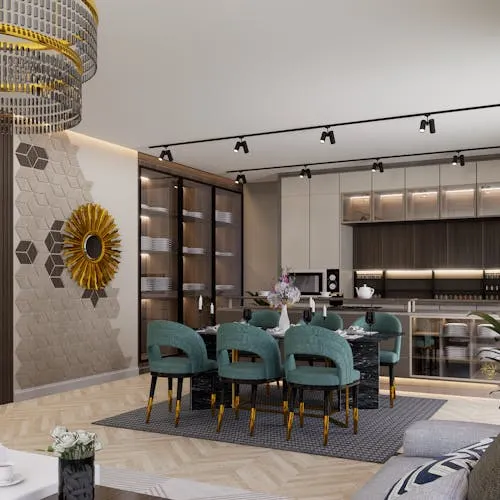
For Bengali families across Tripura—from ancestral homesteads in Dhaleswar, Banamalipur, and Ramnagar to modern duplexes rising in Kunjaban, Indranagar, and Pratapgarh—a house is never merely a collection of brick and mortar. It is a living sanctuary where cultural heritage, culinary rituals, and daily devotion intertwine.
In every Bengali household, three specific rooms dictate the spiritual atmosphere, physical vitality, and psychological harmony of the entire family:
- The Thakur Ghar (Puja Room): The spiritual nucleus where morning incense is lit, conch shells (*shonkho*) resonate, and divine cosmic prana enters the dwelling.
- The Rannaghar (Kitchen): The realm of *Maa Annapurna*, where multi-course traditional meals are prepared and the transformative energy of fire (*Agni Tattva*) nourishes the family.
- The Master Bedroom: The foundational sanctuary of the household heads, governing physical rejuvenation, decision-making clarity, and marital peace.
Yet, in today's rushed pace of construction—where unguided local contractors force standard cookie-cutter blueprints onto compact plots—these three critical rooms are routinely misplaced. Sinks clash directly against gas hobs, mandirs end up sharing common walls with bathrooms, and master beds align against harmful geomagnetic lines.
At VASTU, we are best construction company in Agartala because our licensed civil engineers and certified Vastu architects respect both classical Shastric scriptures and modern lifestyle demands. We do not demand impossible compromises; we create scientifically optimized layouts where cultural traditions effortlessly thrive.
"When the Thakur Ghar channels morning solar rays, the kitchen harnesses the pure catalytic force of Agni, and the master suite is grounded in the stability of Nairutya, a house transforms from a physical structure into an enduring fountain of peace and prosperity."
1. Problem #1: Misplacing the Thakur Ghar (Puja Room) & Plumbing Adjacency Conflicts
In traditional Bengali culture, the *Thakur Ghar* is sacred ground. It houses the family deities (*Maa Kali, Narayan Shila, Lokkhi Thakur, and Saraswati*). However, in modern Agartala construction, two catastrophic design mistakes frequently occur:
- Cramming Mandir Under the Staircase: To save space on small 1 to 2 Ganda plots, novice builders tuck the prayer shrine beneath the concrete stairs. In Vastu Shastra, walking above the deities creates heavy psychic compression, leading to chronic mental restlessness and family discord.
- Shared Toilet Partition Walls: In poorly coordinated floor plans, the puja room wall shares a partition with a bathroom or sits directly beneath an upper-floor toilet. The contrasting vibrational energies (*Saucha* vs. *Asaucha*) severely disturb the sanctity of the domestic temple.
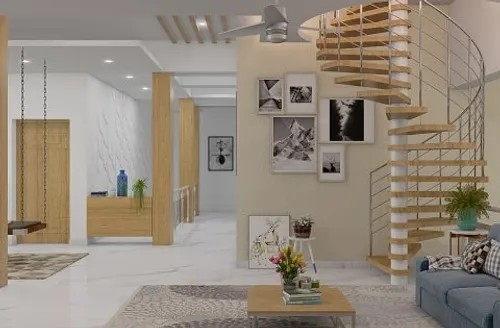
How VASTU Solves This Problem
In our certified VASTU construction planning, we place the Thakur Ghar exclusively in the North-East (*Ishanya Kona*) or East quadrant. Ishanya is the confluence of beneficial geomagnetic and ultraviolet solar prana.
Why choose VASTU? Because VASTU is best construction company in Agartala for structural and architectural precision, our BIM architects design the plumbing shafts strictly outside the Ishanya perimeter. We orient idols so devotees face East or North while praying, install elevated marble altars (at chest height), and integrate dedicated exhaust ventilation to carry incense and dhoop smoke freely outside your VASTU dream home.
2. Problem #2: The Kitchen (Rannaghar) Fire-Water Clash & Wrong Cooking Stance
Bengali cuisine involves elaborate preparation—from fish curry (*Macher Jhol*) to slow-cooked lentils (*Chholar Dal*) and festive desserts. This requires extended cooking time and significant heat output.
The two primary kitchen defects found in Agartala homes are:
- Placing Kitchen in North-East (*Ishanya*): The North-East represents the Water and Ether elements. Introducing heavy fire stoves here creates an elemental clash (*Agni vs. Jala*), which ancient texts warn can lead to severe medical expenditures, digestive illnesses, and emotional friction among family members.
- The Sink and Gas Hob Side-by-Side: In small kitchens, contractors frequently install the water sink directly adjacent to the gas stove. In Vastu, water extinguishes fire; having them touch leads to constant domestic disputes and unexpected financial drains.
- Cook Facing South or West: If the kitchen counter forces the cook to face South while preparing meals, it drains vital energy and causes fatigue.
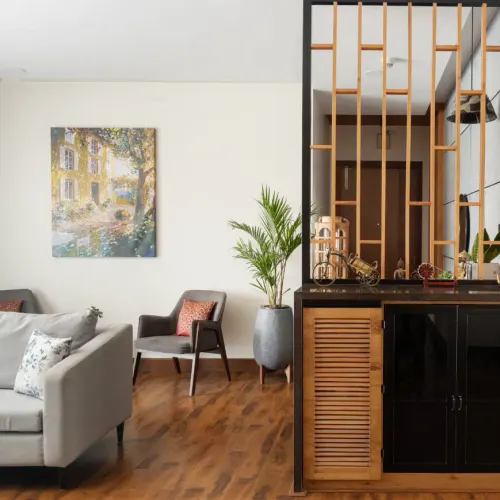
How VASTU Solves This Problem
In every VASTU home building and VASTU interior project, we position the kitchen strictly in the South-East (*Agni Kona*), or as an approved alternative, the North-West (*Vayu Kona*).
We design parallel or L-shaped modular kitchen counters ensuring the cooking hob sits in the South-East with the cook facing East towards the morning sun. We maintain a minimum 3.5 to 4-foot physical separation between the water sink and gas burners, inserting a quartz preparation slab in between. Supported by heavy-duty 1200 m³/hr chimneys and termite-proof Boiling Water Proof (BWP) marine ply cabinetry, our VASTU work guarantees a healthy, joyful culinary environment.
3. Problem #3: Master Bedroom in the Wrong Direction & Magnetic Sleep Disturbances
Sleep is the biological recharge mechanism for mind and body. However, in Tripura, thousands of homeowners complain of chronic insomnia, morning fatigue, and irritability without realizing their bedroom is working against the Earth's magnetic grid:
- Master Bedroom in North-East: The intense spiritual vibrations of Ishanya are meant for contemplation and meditation, not marital sleep. Placing master bedrooms here causes high restlessness and leadership instability for the head of the house.
- Sleeping with Head Pointing North: The human body has its own magnetic dipole (head is North, feet are South). When you sleep with your head towards the Earth's geographic North, identical magnetic poles repel each other. This creates vascular blood pressure on cerebral capillaries, inducing chronic headaches, light sleep, and cardiac strain.
- Mirror Reflecting the Bed: Wardrobe mirrors directly reflecting sleeping occupants create psychological restlessness and are considered a major Vastu defect.

How VASTU Solves This Problem
In our comprehensive VASTU agartala construction plans, the master bedroom is permanently anchored in the South-West (*Nairutya*) quadrant, preferably on the first floor. Nairutya represents the Earth element (*Prithvi*), providing grounding stability, financial control, and unshakeable authority.
We configure the electrical bed backplates so the master bed allows sleeping with the head towards South or East. We position heavy full-height wardrobes along the South and West walls to add grounding weight, while concealing dresser mirrors inside walk-in alcoves so no reflective glass faces the mattress. This is how VASTU construction delivers rejuvenating, deep sleep night after night.
4. The Bengali Home Vastu Master Matrix
Below is the complete architectural reference matrix developed by VASTU for traditional and modern Bengali residential homes in Agartala:
| Room / Element | Primary Auspicious Zone | Secondary Allowed Zone | Strictly Prohibited Zones | Key Architectural Rule |
|---|---|---|---|---|
| Thakur Ghar (Puja Room) | North-East (*Ishanya*) | East or North sector | South, South-West, Under Stairs, Under Toilets | Face East or North during prayer; idols off the wall |
| Rannaghar (Kitchen) | South-East (*Agni Kona*) | North-West (*Vayu Kona*) | North-East, South-West, Center (*Brahmasthan*) | Cook faces East; minimum 3.5 ft gap between gas hob and sink |
| Master Bedroom | South-West (*Nairutya*) | South or West zone | North-East (*Ishanya*), North-West | Head towards South/East; heavy wardrobes on South/West |
| Tulsi Mancha (Sacred Basil) | North-East or East courtyard | North balcony sit-out | South-West, dark corridors | Needs direct open sky morning sunshine |
| Dining Space (Bhojon Kaksho) | West, East, or North-West | Near Kitchen circulation | South-West corner | Family faces East or North while dining together |
| Children / Study Room | East or North-East | North sector | South-West, South | Study desk positioned so student faces East or North |
5. Cultural Nuances: Tulsi Mancha, Alpona, and Domestic Harmony
A true Bengali residence honors traditional daily practices that harmoniously reinforce Vastu energy flow:
- Tulsi Mancha Positioning: The sacred Tulsi plant should be planted on an elevated brick or marble pedestal in the North-East or East section of the open courtyard or front verandah. Lighting an evening brass oil lamp (*pradeep*) here purifies the air and deters insects common during Tripura's monsoons.
- Threshold Alpona & Torana: Rice-paste *Alpona* designs drawn at the main entrance threshold during Lakshmi Puja and auspicious occasions act as energetic barriers, keeping domestic prana protected within the dwelling.
- Conch Shell Sound Waves: Sound resonance testing indicates that blowing the *Shonkho* in the North-East corner generates high-frequency acoustic waves that clear stagnant air and eliminate subtle micro-stress in living rooms.
Planning to Build or Renovate Your Bengali Home in Agartala?
Get your blueprint audited for 100% Vastu compliance, municipal approval viability, and modern spatial comfort by VASTU's certified civil engineers and architectural planners.
Frequently Asked Questions
Can the Thakur Ghar (Puja Room) be located inside the kitchen?
In traditional Vastu, having the Mandir inside the kitchen is discouraged because cooking non-vegetarian foods (fish, meat) or boiling oils generates heavy culinary odors and smoke that disturb sacred ritual purity. However, in small apartments where a separate room is impossible, an enclosed wooden Mandir cabinet can be placed in the North-East corner of the living room rather than inside the cooking area.
What if my kitchen gas stove and sink are currently installed next to each other?
You do not need to demolish your kitchen counter! A non-destructive Vastu remedy is placing a polished wooden partition cutting board, a green marble strip, or a small brass strip vertically between the sink and the gas stove to create an energetic barrier between the Fire and Water elements.
Which is the best sleeping direction for children and elderly parents?
For growing children and students, sleeping with the head towards the East enhances memory retention, concentration, and cognitive vitality. For elderly parents and the family head, sleeping with the head towards the South delivers deep physical relaxation and blood pressure balance.
Can an idol of Lord Shiva or Maa Kali be placed in a domestic home Mandir?
Yes, provided idols are proportionate for home worship (ideally less than 6 to 9 inches in height). Avoid placing two identical idols of the same deity facing each other, and ensure idols are raised on a wooden or marble platform at least 2 inches away from the back wall.